
Potential Bartonella Reactivation Associated With Long COVID
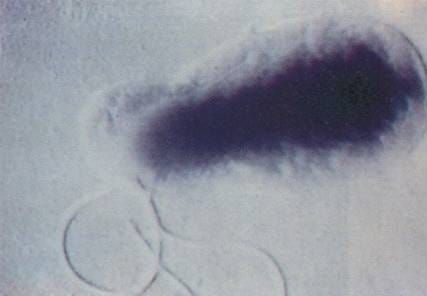
Article Title: Post-COVID reactivation of latent Bartonella henselae infection: a case report and literature review
PMID: 38649899
Plain-Language Summary
This paper describes a detailed clinical case in which a previously healthy 54-year-old man experienced rapid worsening of cat scratch disease (CSD) shortly after a confirmed COVID-19 infection. CSD is caused by the bacterium Bartonella henselae, a Gram-negative organism commonly transmitted from cats, typically through scratches or bites. In most immunocompetent individuals, CSD presents as localized lymphadenopathy (swollen lymph nodes) and often resolves on its own. In this case, however, a soft tissue mass in the patient’s upper arm that had initially been improving suddenly progressed following SARS-CoV-2 infection. The clinical course became more complicated, with abscess formation and the development of bilateral pleural effusions (fluid accumulation around both lungs), indicating a systemic inflammatory process.
Routine diagnostic methods, including blood cultures and standard pathological examination, failed to identify the infectious agent. The diagnosis was ultimately confirmed using next-generation sequencing (NGS), a high-throughput DNA-based method capable of detecting microbial genetic material directly from tissue samples without requiring prior assumptions about the pathogen. NGS identified B. henselae within the abscess tissue. After antibiotic therapy was adjusted to doxycycline combined with azithromycin, inflammatory markers such as C-reactive protein (CRP) and white blood cell count normalized, and both pulmonary and soft tissue findings resolved. The authors propose that immune disruption associated with COVID-19 may have contributed to reactivation or exacerbation of a previously controlled Bartonella infection, although the precise mechanism remains uncertain.
Key Findings
- A localized Bartonella-associated soft tissue lesion that had been improving rapidly worsened following confirmed COVID-19 infection.
- Routine blood cultures and pathological tests were negative; next-generation sequencing (NGS) detected Bartonella henselae DNA in abscess tissue.
- Targeted antibiotic therapy (doxycycline plus azithromycin) led to normalization of inflammatory markers (CRP decreased from 37.54 mg/L to 0.49 mg/L) and resolution of pleural effusions and pulmonary findings.
Study Type
Single-patient case report with accompanying literature review.
What This Means (and Doesn’t Mean)
This report highlights the possibility that acute COVID-19 may alter immune regulation in ways that affect the behavior of other infections, including zoonotic pathogens such as Bartonella henselae. It also illustrates the diagnostic value of advanced molecular techniques like next-generation sequencing when conventional cultures fail to detect slow-growing organisms. In the broader context of post-viral illness research, the case raises awareness that atypical infection presentations may occur during or after SARS-CoV-2 infection.
However, this is a single case report and cannot establish causation or frequency. It does not demonstrate that COVID-19 commonly reactivates latent Bartonella infection, nor does it define a mechanism for such reactivation. Case reports are useful for generating hypotheses and guiding clinical vigilance, but controlled studies are required to determine how often this phenomenon occurs and under what conditions.
Source
Disclaimer
This summary was created with the assistance of artificial intelligence and reviewed by a human prior to publication. While care is taken to ensure accuracy, errors are possible. If you notice any issues, have questions, or would like to request coverage of a specific research paper, please contact admin@long-covid.org.
Share
If you found this summary helpful, please consider sharing it. It helps more people find clear, trustworthy Long COVID research.


