How Demographics, Health, and Socioeconomic Factors Shape Mental Health in Long COVID
Long COVID is associated with persistent symptoms, including the onset of new mental health challenges such as anxiety and depression, as well as the worsening of pre-existing conditions.
How Long COVID Affects Blood Flow in the Brain
The study found thickening of the carotid artery walls in all patients with a history of COVID-19 and reduced vasomotor reactivity in this group, indicating impaired cerebral blood flow post-infection.
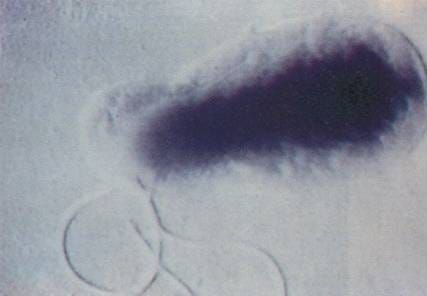
Potential Bartonella Reactivation Associated With Long COVID
A case study reported that Bartonella henselae infection appeared to reactivate following acute COVID-19, suggesting that immune changes associated with SARS-CoV-2 infection may influence the clinical behavior of latent bacterial infections.
Tendon Rupture Surgeries Spiked After Pandemic Lockdowns, Study Suggests a “COVID Rebound” Effect.
A new study from a single academic medical center found a sharp increase in tendon rupture surgeries in 2021 compared with the early pandemic period, coinciding with the return to normal physical activity after months of reduced movement.
Nearly One in Four Women Report Menstrual Changes After COVID-19 Infection, Study Finds
A new observational study reports that abnormal menstrual patterns were observed in about 23% of women following COVID-19 infection. The risk was higher among younger women, those with obesity, multiple COVID-19 vaccinations.
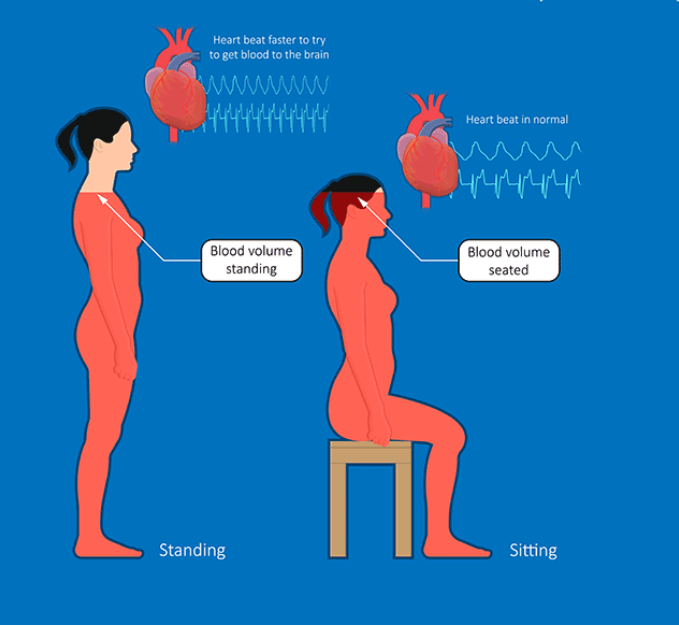
Study Estimates How Common Orthostatic Intolerance, POTS, and Low Blood Pressure Are in Long COVID
A new systematic review and meta-analysis pooled data to estimate how often autonomic problems occur in people with post-acute sequelae of COVID-19; the authors report high rates of orthostatic intolerance as well as substantial estimates of POTS and orthostatic hypotension.
A Specific Immune Pathway May Be Keeping the Immune System Overactive in Long COVID
A study of people with Long COVID found ongoing disruption of the immune system’s complement pathway, with especially high activity in the lectin pathway compared to healthy individuals who had recovered from COVID-19.
What We Know So Far About IBS After COVID-19
A review of existing research suggests that irritable bowel syndrome (IBS can develop in some people after COVID-19 infection. Studies estimate that about 7% of individuals develop IBS following SARS-CoV-2, with higher rates than in those who were not infected.
Similar Autonomic Nervous System Problems in Long COVID and ME/CFS
A study comparing people with Long COVID, ME/CFS, and healthy controls found that Long COVID and ME/CFS share similar problems with autonomic nervous system function with overlapping biological features.