Patients Suffering From Post-COVID-19 Syndrome Feature Enhanced Antibody Reactivity Towards Specific Linear Epitopes Within EBV EBNA1.
Plain-Language Summary
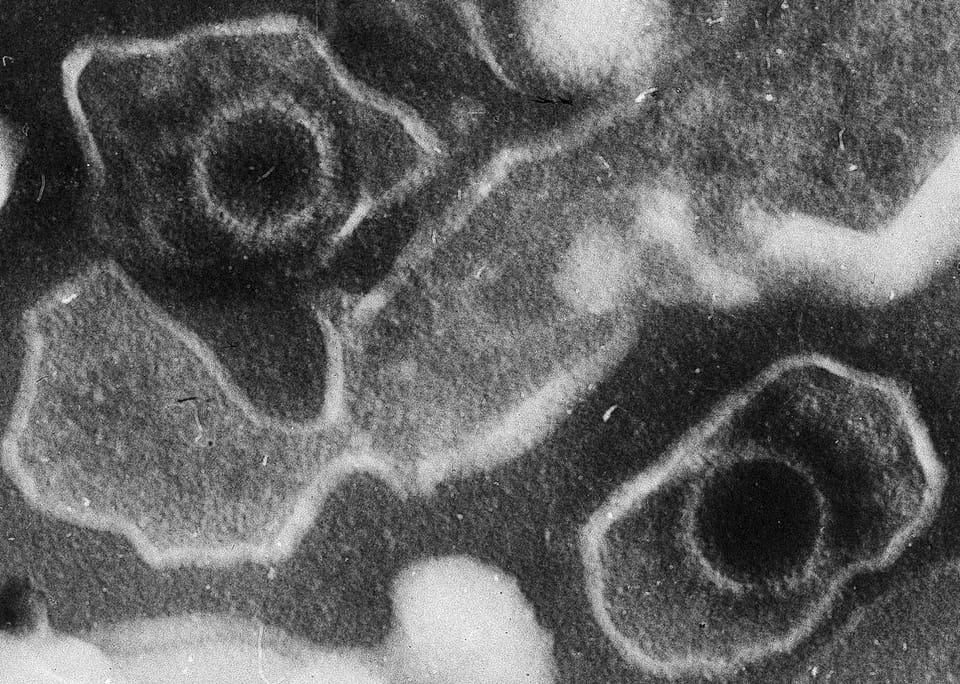
Post-COVID-19 syndrome (PCS), also known as Long COVID, is a condition where patients experience various symptoms for an extended period after recovering from COVID-19. This study compared PCS patients with those who fully recovered from COVID-19 to investigate their immune responses. The research focused on antibodies against a specific virus (Epstein-Barr virus) and autoantibodies that could indicate autoimmune reactions. Results showed that PCS patients had stronger immune responses to certain parts of the Epstein-Barr virus protein, suggesting a possible link to Long COVID.
Key Findings
- Post-COVID-19 syndrome (PCS) patients showed increased antibody reactivity to specific regions of the Epstein-Barr virus protein compared to convalescent individuals.
- No significant differences were found in the prevalence or reactivity of autoantibodies between PCS patients and convalescents.
- The study highlights the potential role of immune responses against certain viral proteins in contributing to Long COVID symptoms.
Study Type
This study is a retrospective cross-sectional and explorative analysis comparing PCS patients with convalescents to understand the differences in their immune responses.
What This Means (and Doesn’t Mean)
The findings suggest that specific immune responses to the Epstein-Barr virus protein may play a role in the development of Long COVID symptoms. However, this study does not prove a direct causal relationship between these immune responses and Long COVID. Further research is needed to confirm and understand these associations better.
Source
Disclaimer
This summary was created with the assistance of artificial intelligence and reviewed by a human prior to publication. While care is taken to ensure accuracy, errors are possible. If you notice any issues, have questions, or would like to request coverage of a specific research paper, please contact admin@long-covid.org.